Problem
Identify the real friction: use, cost, safety, programme, legibility, manufacture or movement through a place.

Development / Proof
Before painting became the main daily practice, JungDesign was a working design and project-management practice: products, environments, systems, rollouts and commercial problem-solving.
JungDesign’s commercial work is the evidence behind the paintings: clear composition, practical judgement, careful sequencing, a feel for materials and a habit of turning vague problems into usable form.
This is not a document dump. Each project is treated as a compact case study: what the problem was, what David/JungDesign did, why it mattered, and what changed because the work was done.
Identify the real friction: use, cost, safety, programme, legibility, manufacture or movement through a place.
Turn the brief into something buildable: an object, system, environment, rollout plan or working prototype.
Hold the practical result in view: clearer use, safer handling, better delivery, lower cost or reliable implementation.
The same habits now surface in the paintings: structure, edges, sequence, material intelligence and visual nerve.
These projects show David working where design has consequences: live airports, retail rollouts, hospitality deadlines, budgets, safety systems and manufactured products. The point is not to compete with the paintings, but to show the discipline that made them possible.
Image montage View the visual wall →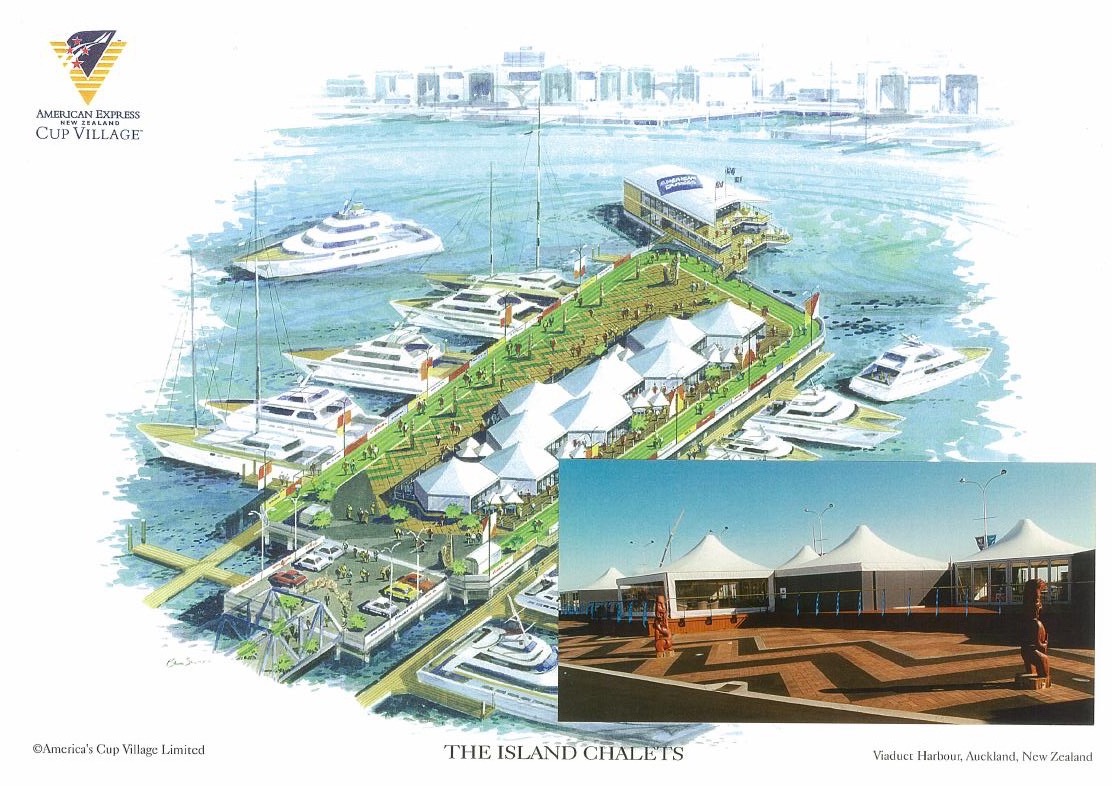
A compressed, high-visibility programme delivering hospitality environments for the America’s Cup Village: floating yacht club, corporate chalets, boat-party moorings, public canopy, bar, entertainment stage and seating.
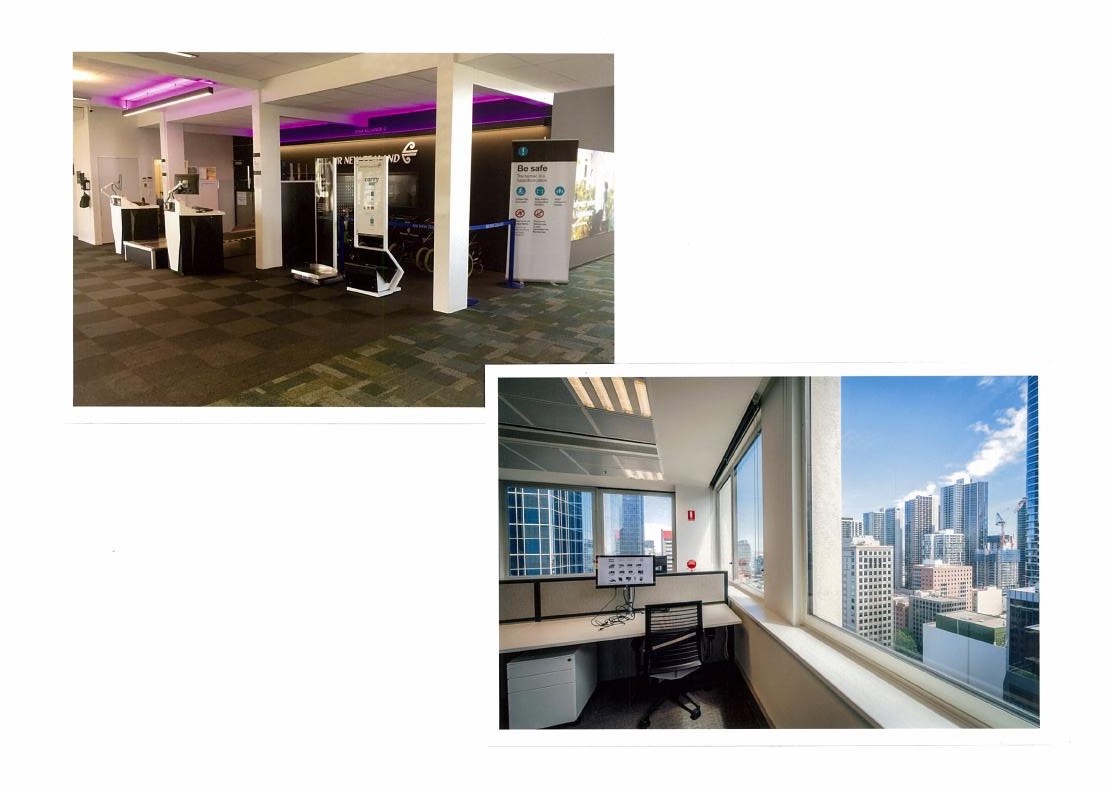
Regional front-of-house terminal rebuilds in New Zealand, plus international terminal and sales-office reimaging work in Australia, Japan, Singapore and Taiwan.
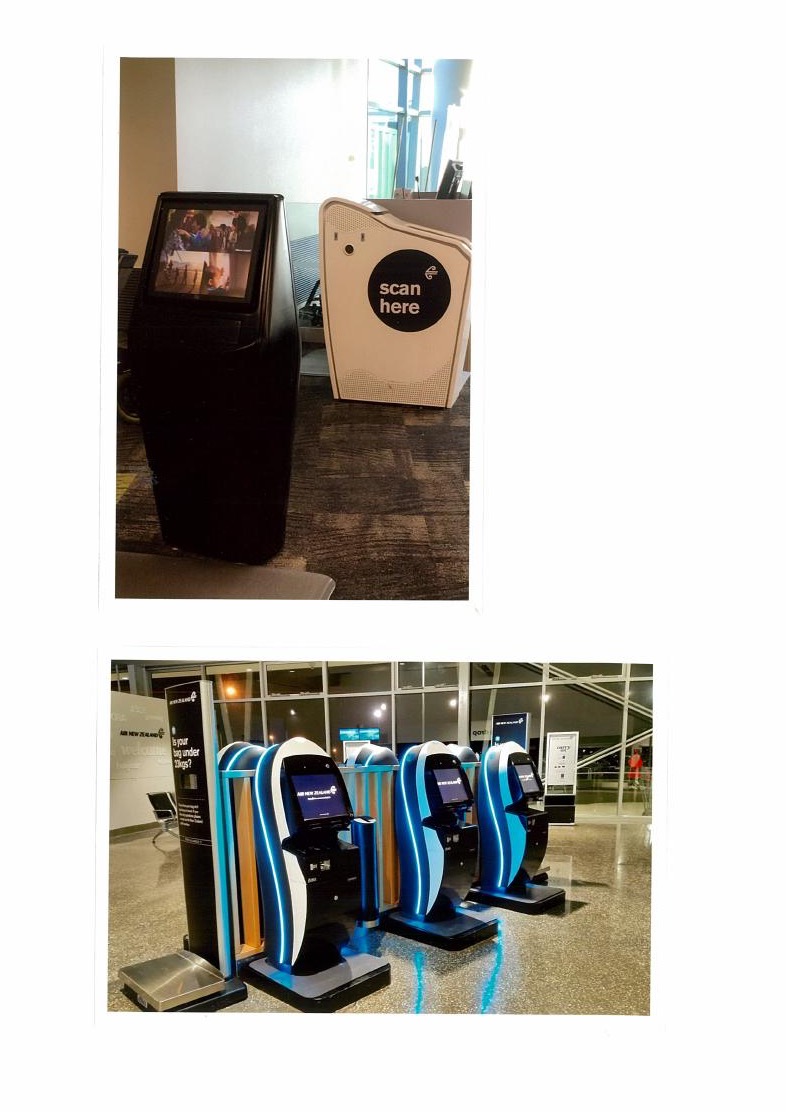
A national airport survey and installation programme supporting early self-service ticketing kiosks, followed years later by a replacement programme for ageing units.
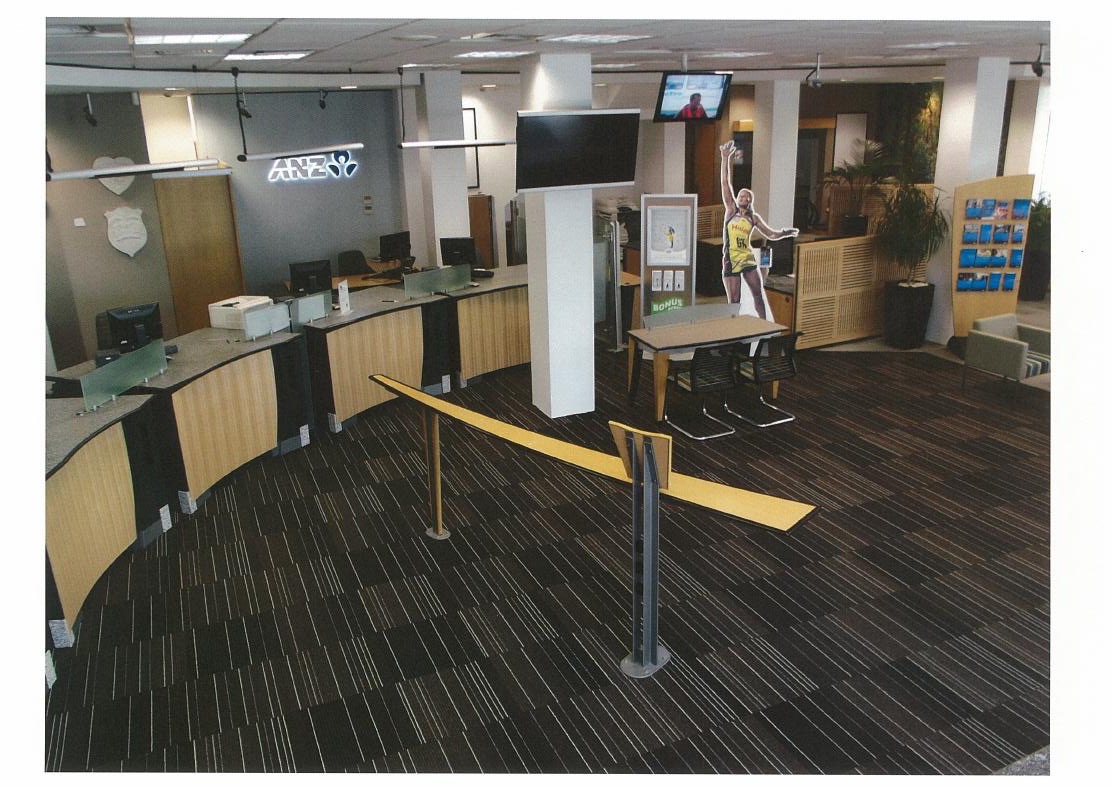
Branch interior reimaging across the East Coast of the North Island, followed by ANZ relocation and reimaging work into newly acquired National Bank locations.
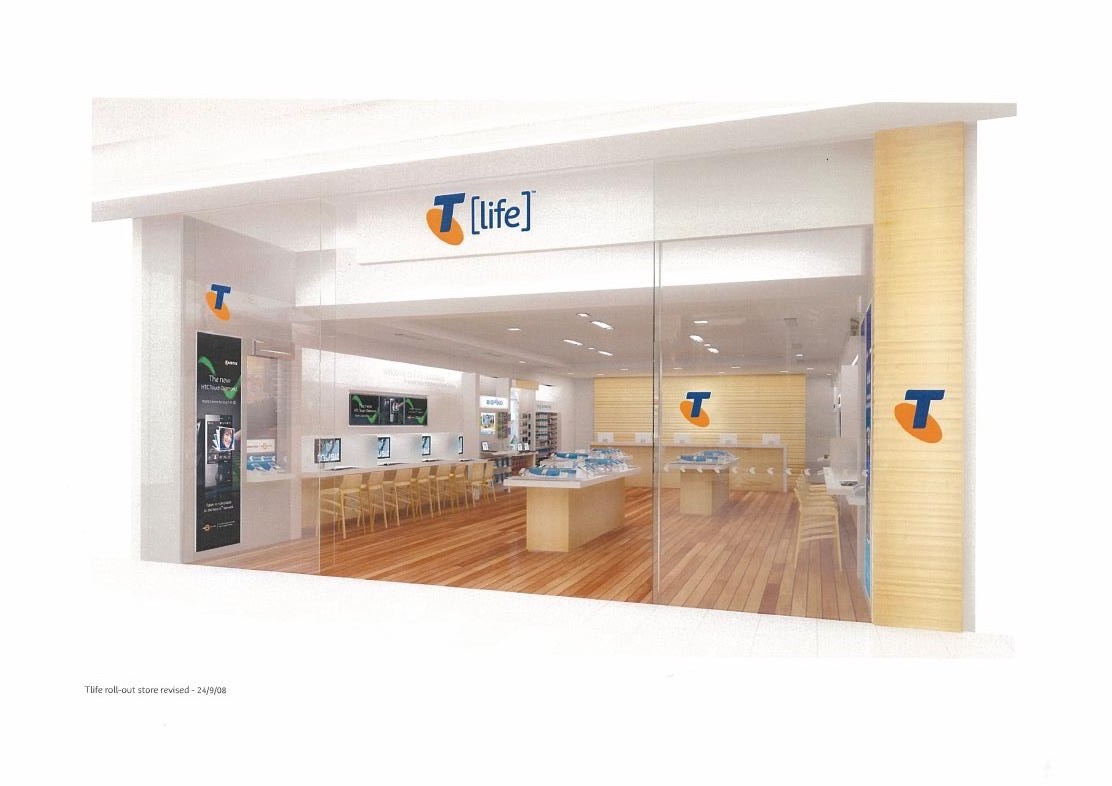
A national retail programme for live-mode telco stores across Australia, beginning with cost review and moving into large-team rollout management.
Across product and system work, the pattern is consistent: define the friction, make the use clearer, and develop a response that can be manufactured, installed, trialled or operated.
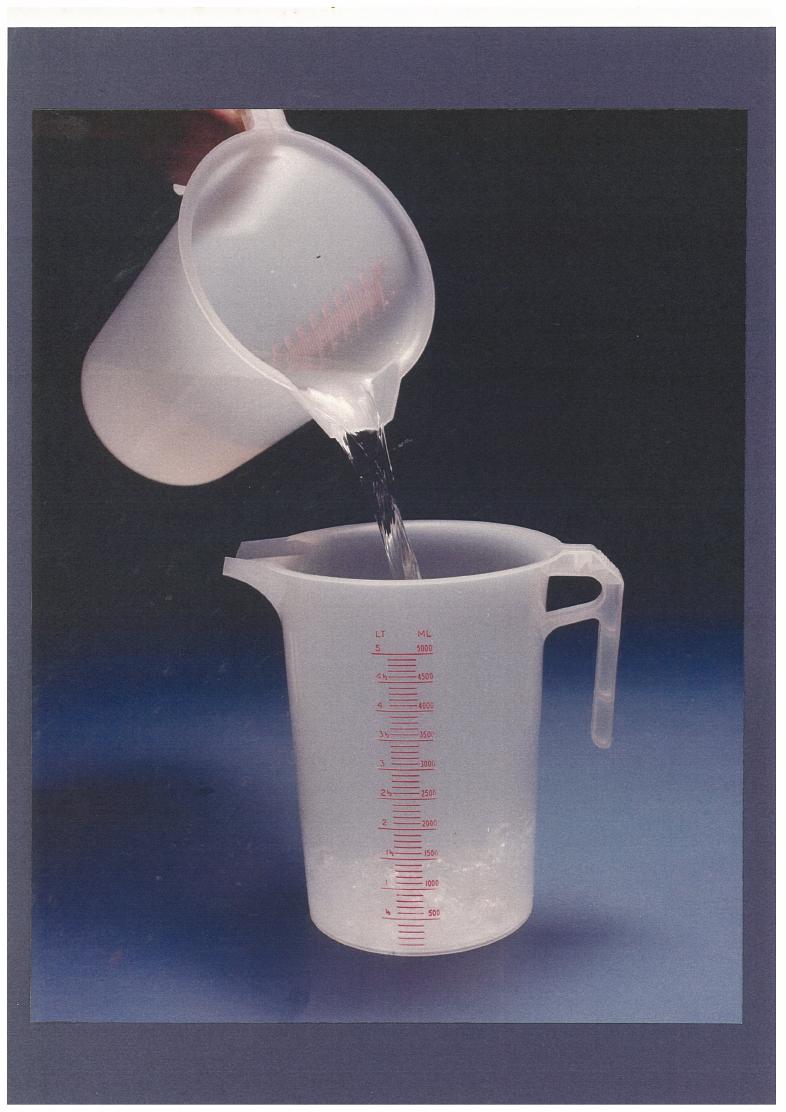
A utilitarian product needed to be easier to read, easier to pour, efficient to ship and robust enough for commercial use.
Outcome: The product remained in production for an international market and has sold in substantial numbers over its life. Open project →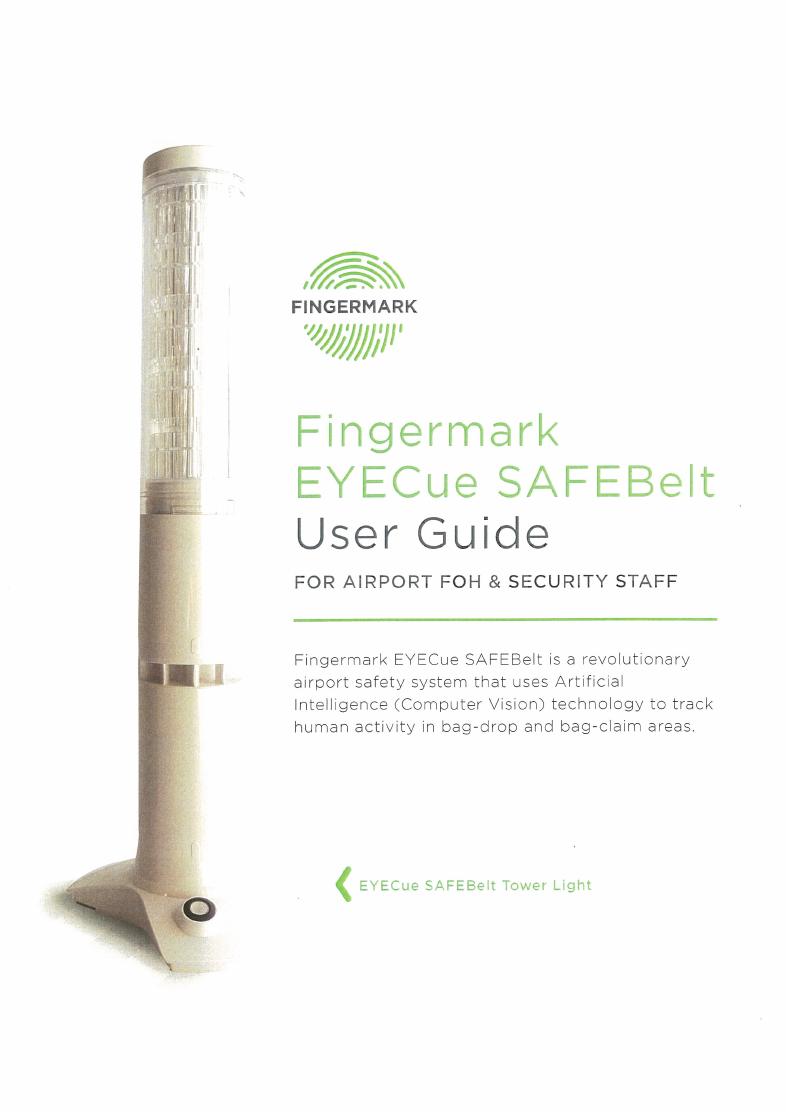
A front-of-house airport security weakness suggested the need for a smarter, more systematic detection and response model.
Outcome: The system proved effective in testing, though Air New Zealand ultimately chose not to proceed because of ongoing running costs. Open project →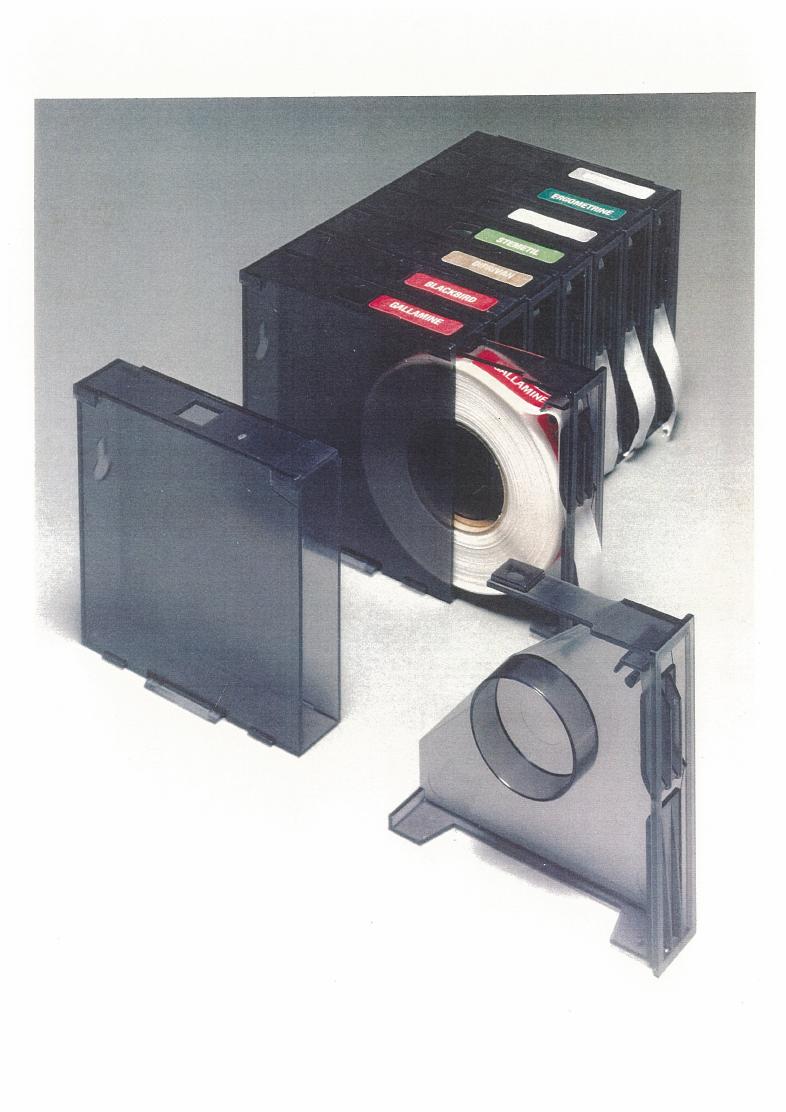
Once opened, drug bags could lose their original identification. Staff were left handwriting labels and taping them on, creating poor legibility, weak adhesion and unnecessary waste of expensive partially used drugs.
Outcome: A focused workflow problem was translated into a simple product system: faster, clearer and more reliable labelling. Open project →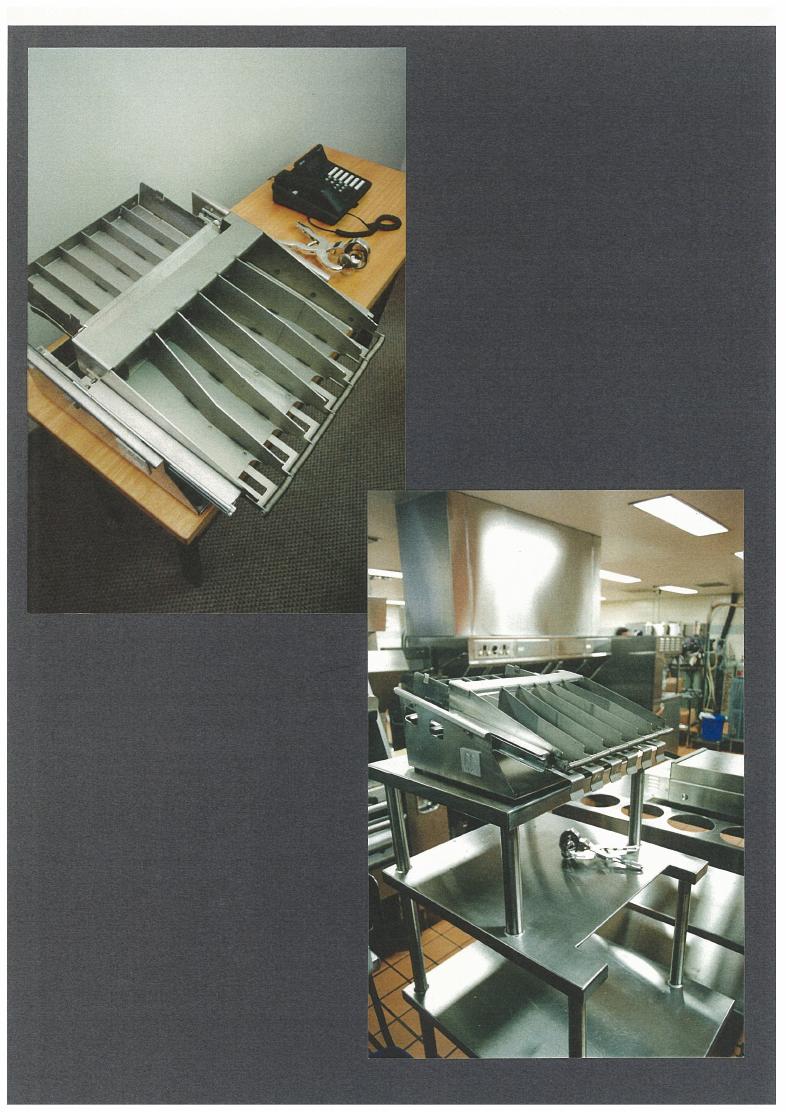
In high-volume food service, egg-shell contamination risk is amplified by repetition. McDonald’s Australia alone handled tens of millions of eggs per year.
Outcome: A product-system response to operational food-safety risk, developed with major commercial users over a multi-year period. Open project →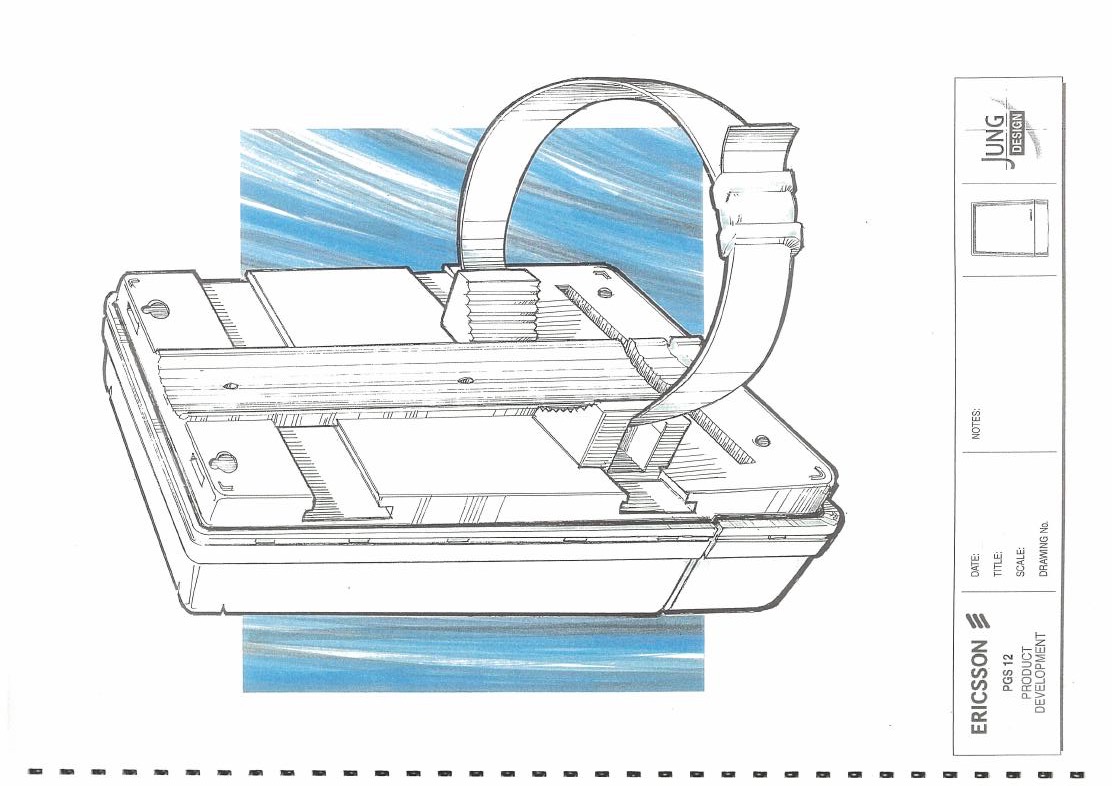
The system needed to be installable on standard wooden power poles and support one main line feeding multiple sub-lines to local users.
Outcome: A functional telecommunications housing that supported more efficient local network connection without dedicated additional pole infrastructure. Open project →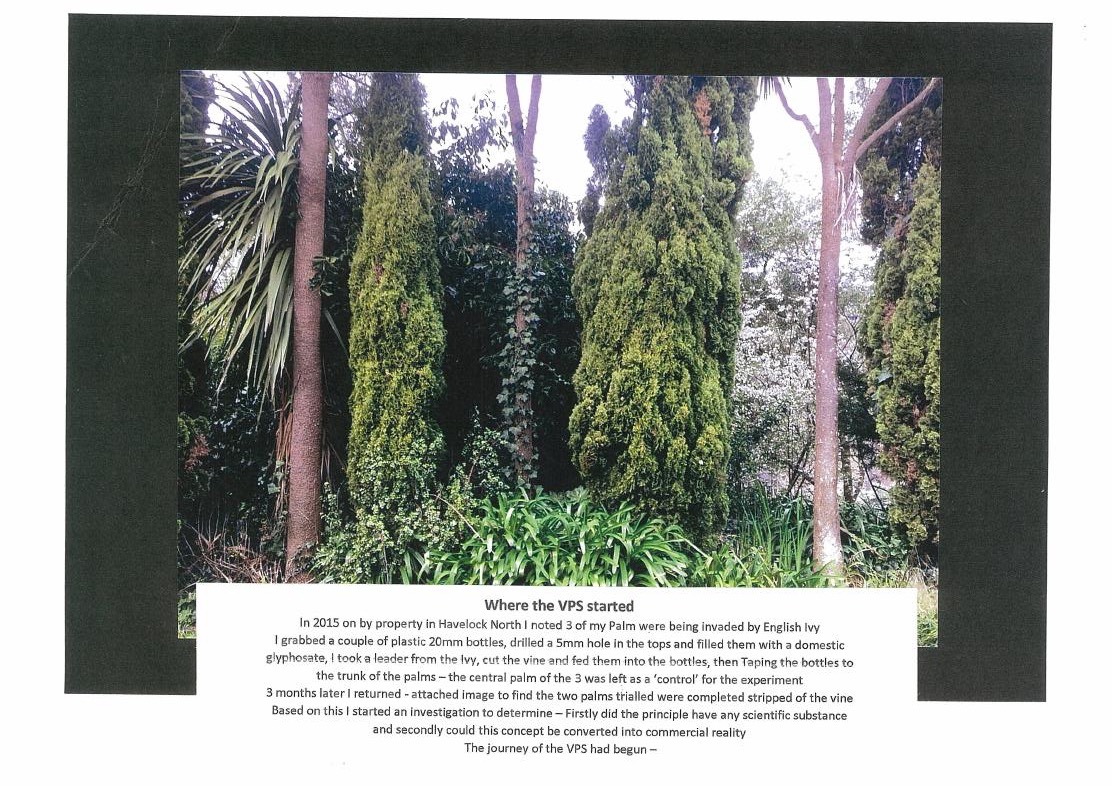
Pest vines require effective treatment, but herbicide use brings risks of wastage, environmental fouling and human contact.
Outcome: A current development project that carries JungDesign’s product-system thinking into biodiversity protection. Open project →Not just styling. Not just management. The recurring JungDesign move is to take responsibility for the whole chain: the object, the setting, the people using it, the money available, the deadline approaching and the detail that must still be right.
That is why this section belongs on a painting site. It explains the confidence of the work without over-explaining the paintings themselves.
“The paintings don’t leave design behind. They make its instincts visible.”