JungDesign

Product Development / Systems & objects

Useful things, safer systems, better mechanisms.

This page gathers David Jung’s product-development work: industrial objects, casings, airport and medical systems, food-safety mechanisms and current environmental product thinking.

PD
Product-development spine

Product development is where JungDesign turns observation into practical form: the clearer pour, the safer label, the better casing, the more reliable airport process, the mechanism that reduces waste, risk or confusion.

These are not decorative projects. They are working propositions — designed to be made, installed, tested, used, revised and understood.

01

Useful

Objects and systems are judged by what they let people do more clearly, safely or efficiently.

02

Buildable

A JungDesign idea has to survive manufacture, installation, cost, handling and repeated use.

03

Observed

The work begins with close attention to friction: where hands go, what goes wrong, what needs to be legible.

04

Still active

VPS continues the same line of thinking: a practical mechanism for a specific environmental problem.

Product development

Useful things, safer systems, better mechanisms.

Across product and system work, the pattern is consistent: define the friction, make the use clearer, and develop a response that can be manufactured, installed, trialled or operated.

Product image montage View the visual wall →
Source document image for 5 Litre Measuring Jug
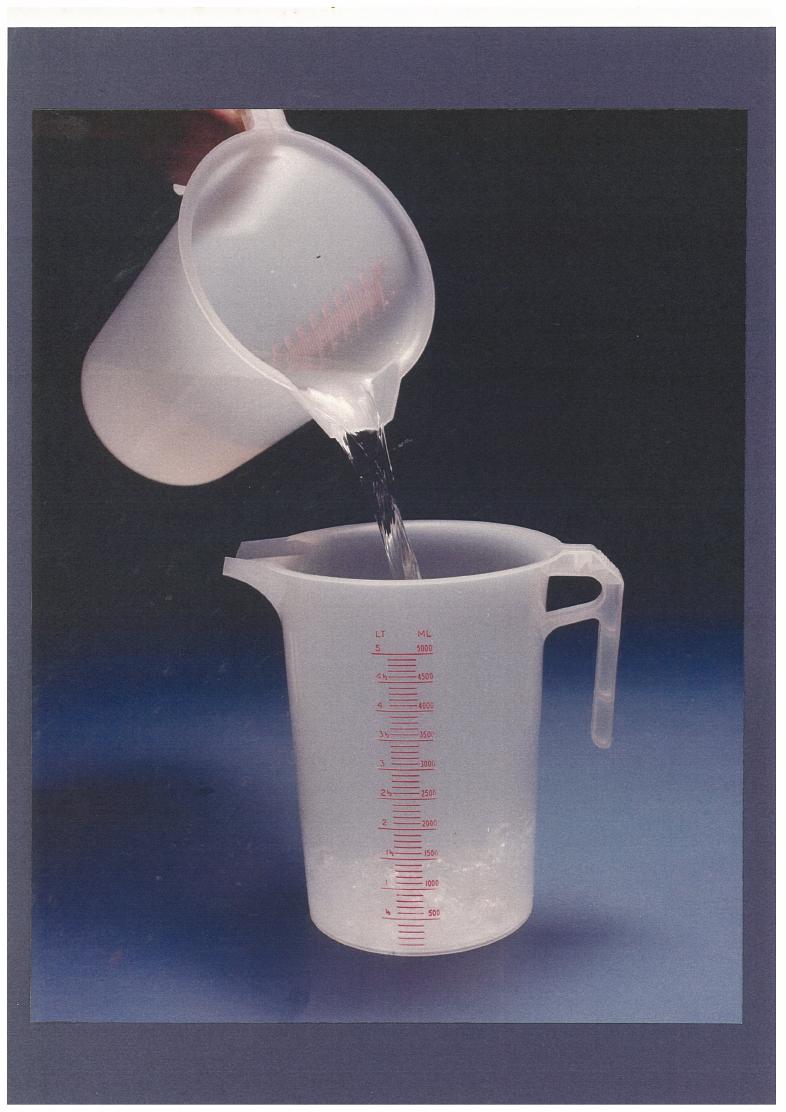
5 litre jug / raised calibration
06 / 1986 onward

5 Litre Measuring Jug

A long-lived commercial measuring jug designed around export stackability, raised calibration for readability, and dual-spout pourability for wet and dry contents.
Problem
A utilitarian product needed to be easier to read, easier to pour, efficient to ship and robust enough for commercial use.
Response
David resolved the object through practical industrial-design decisions: stack form, calibration, handling and pour behaviour.
Outcome: The product remained in production for an international market and has sold in substantial numbers over its life. Open project →
Source document image for EYEQue Airport Security System
AI security concept
07 / 2018 onward

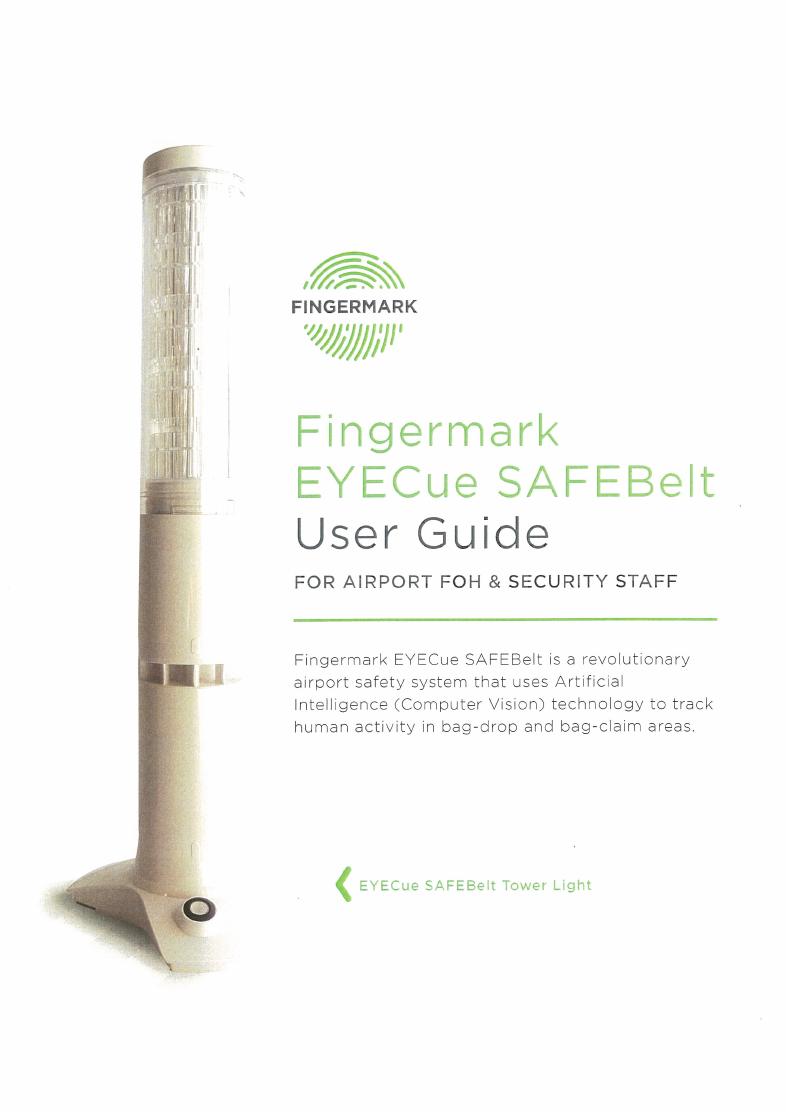
EYEQue Airport Security System

A proposed AI-enabled front-of-house security system developed after David identified a fault in existing airport terminal security processes.
Problem
A front-of-house airport security weakness suggested the need for a smarter, more systematic detection and response model.
Response
David briefed Fingermark Global and worked with their technical team over roughly 18 months through development, trials and testing.
Outcome: The system proved effective in testing, though Air New Zealand ultimately chose not to proceed because of ongoing running costs. Open project →
Source document image for Hospital Drug-Bag Labelling System
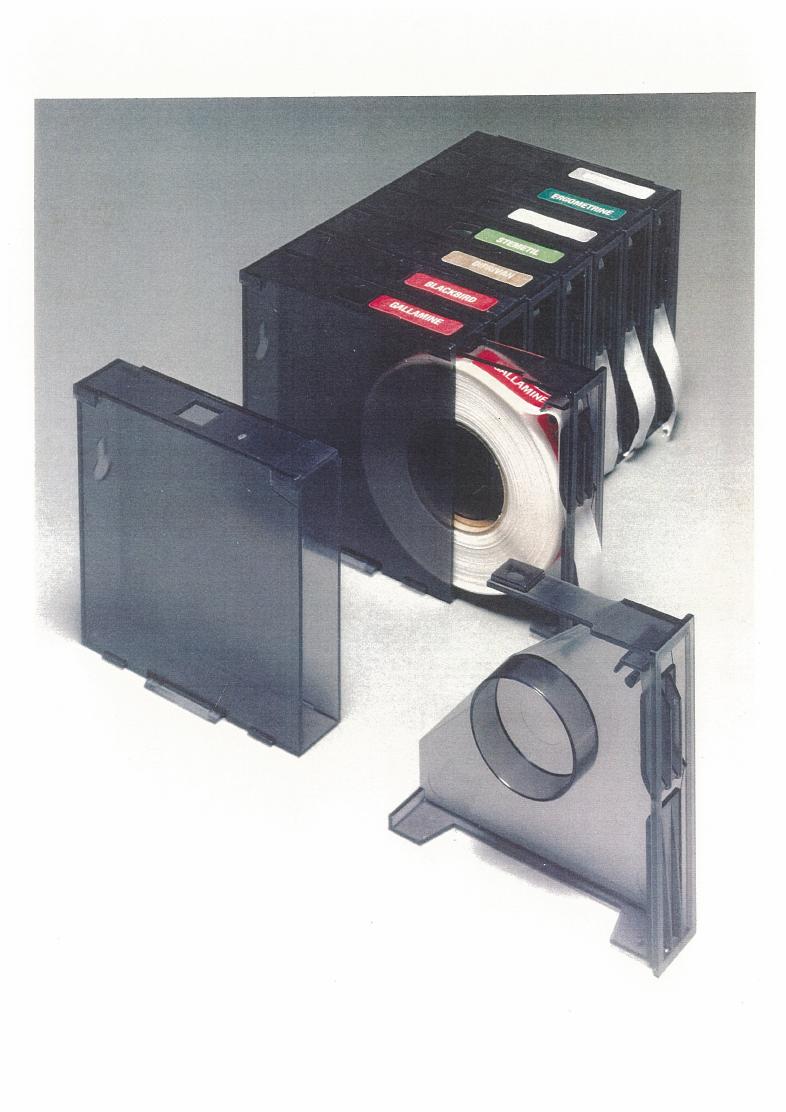
Drug-bag label dispenser
08 / Date to be confirmed

Hospital Drug-Bag Labelling System

A quick, accurate labelling system for opened drug bags used in hospital surgical routines, designed to reduce waste and improve legibility.
Problem
Once opened, drug bags could lose their original identification. Staff were left handwriting labels and taping them on, creating poor legibility, weak adhesion and unnecessary waste of expensive partially used drugs.
Response
David developed a pre-printed label dispensing concept, created the drawings and oversaw manufacture on behalf of the client team.
Outcome: A focused workflow problem was translated into a simple product system: faster, clearer and more reliable labelling. Open project →
Source document image for The Egg Splitter System (TESS)
No-touch egg handling
09 / From 2000, developed over several years

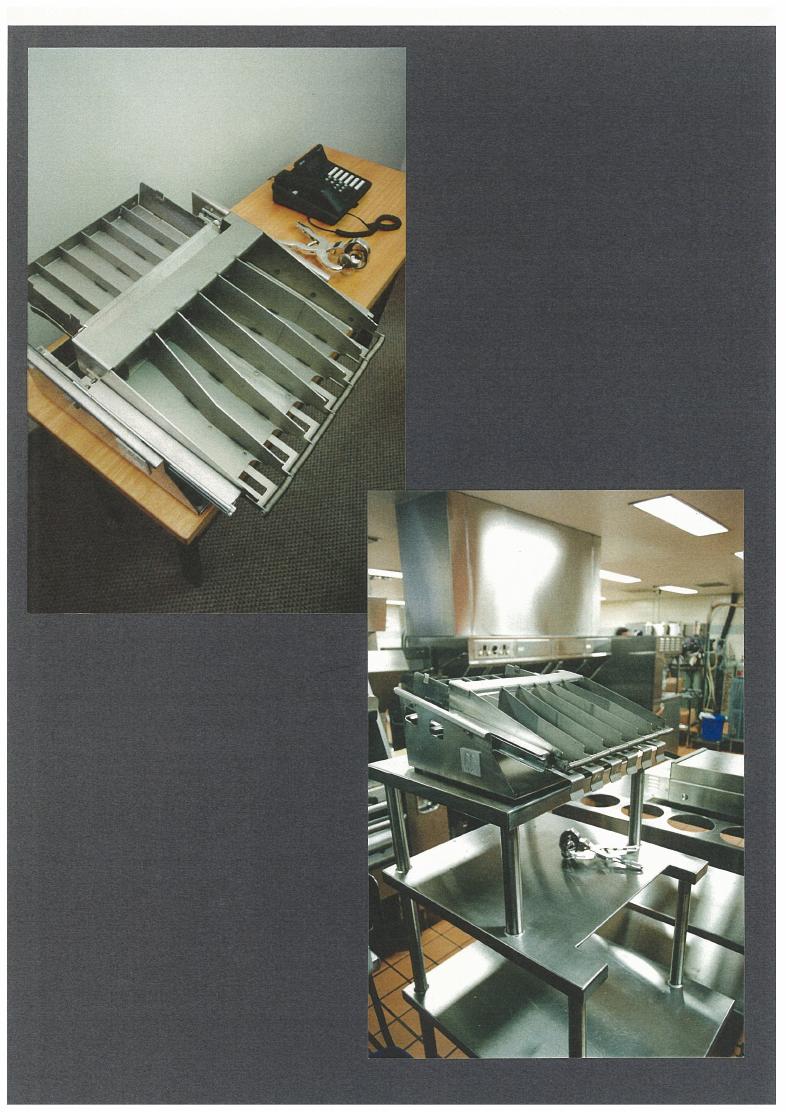
The Egg Splitter System (TESS)

A system developed to reduce salmonella risk by allowing eggs to move through restaurant handling and processing without staff touching the shell.
Problem
In high-volume food service, egg-shell contamination risk is amplified by repetition. McDonald’s Australia alone handled tens of millions of eggs per year.
Response
David developed a system enabling eggs to be delivered to and processed through a restaurant without direct shell contact by staff.
Outcome: A product-system response to operational food-safety risk, developed with major commercial users over a multi-year period. Open project →
Source document image for Ericsson Phone System Casing
Pole-mounted splitter casing
10 / Date to be confirmed

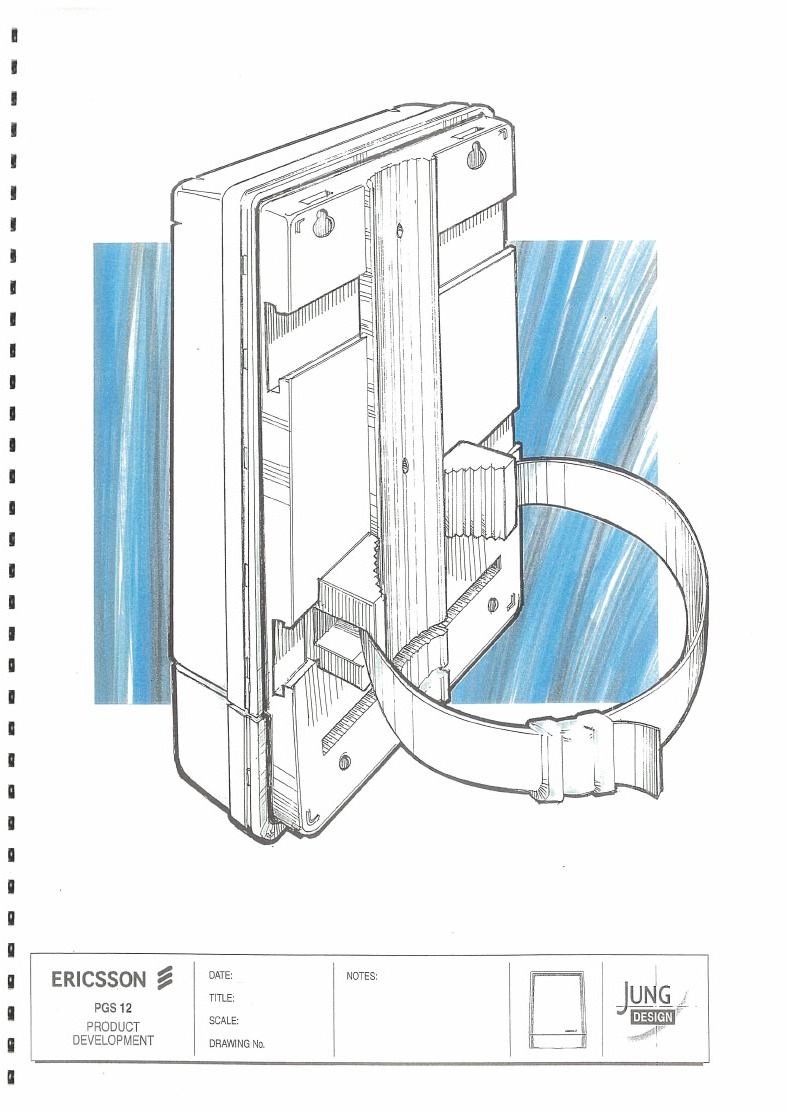
Ericsson Phone System Casing

A casing developed for Ericsson’s phone splitter system for high-density, lower-economic regions across the South Pacific.
Problem
The system needed to be installable on standard wooden power poles and support one main line feeding multiple sub-lines to local users.
Response
David designed the casing around installation practicality, environmental exposure and the infrastructure conditions of suburban communities.
Outcome: A functional telecommunications housing that supported more efficient local network connection without dedicated additional pole infrastructure. Open project →
Source document image for VPS — Vine Pod System
Precise herbicide delivery
11 / Work in progress

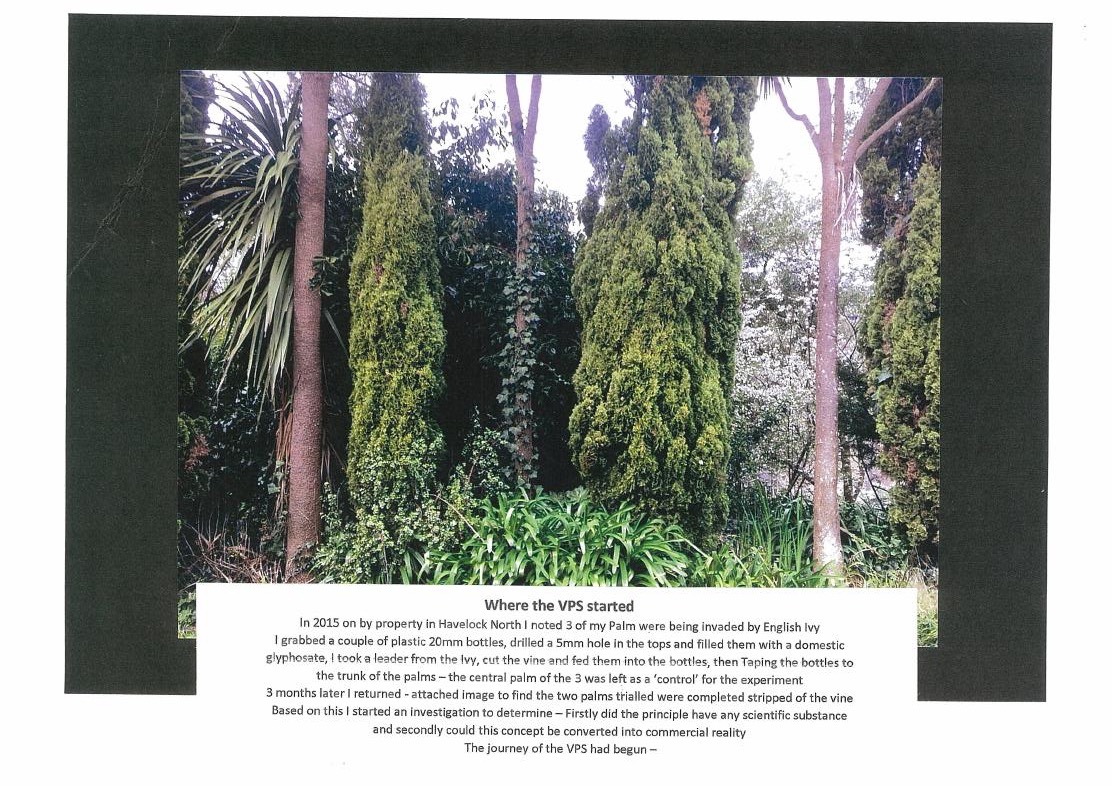
VPS — Vine Pod System

A work-in-progress system for precise, safe delivery of herbicide to pest vines damaging New Zealand native flora and fauna.

Problem
Pest vines require effective treatment, but herbicide use brings risks of wastage, environmental fouling and human contact.
Response
David developed the Vine Pod concept as a delivery system for predetermined, precise herbicide volumes applied to the vine with minimal waste and reduced operator exposure.
Outcome: A current development project that carries JungDesign’s product-system thinking into biodiversity protection. Open project →
How to read this work

Product development here means practical imagination.

The common thread is not a style. It is a way of thinking: notice the awkward part of a real-world process, then design the object, label, casing, interface or mechanism that makes it less awkward.

That same exactness sits behind the paintings: object intelligence, strong edges, legibility, humour and a designer’s respect for how things are put together.